
-

Brand: Africa World Press
New Dimensions in African History: The London Lectures of Dr. Yosef Ben-Jochannan and Dr. John Henrik Clarke
MSRP: $58.96$38.96 -
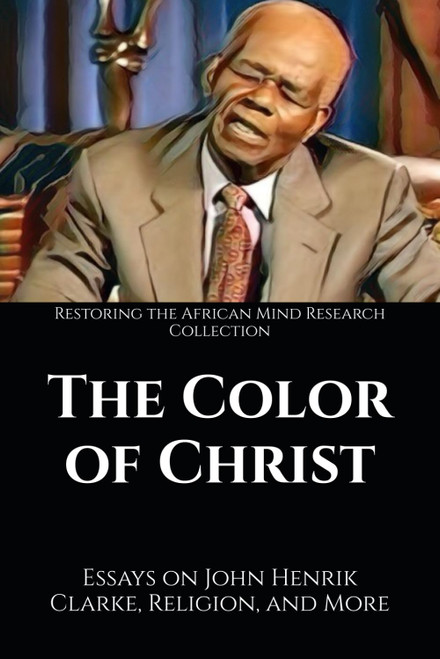
Majosta
The Color of Christ: Essays on John Henrik Clarke, Religion, and More (The John Henrik Clarke collection)
MSRP: $51.00$31.00 -

Independently Published
The Real Wakandas of Africa: Dr. John Henrik Clarke vs. Herman Cain: The most in-depth discussion of race and African history since J.A. Rogers’ book From Superman to Man
MSRP: $69.95$49.95 -

Eworld
Christopher Columbus and the Afrikan Holocaust: Slavery and the Rise of European Capitalism
MSRP: $50.18$30.18
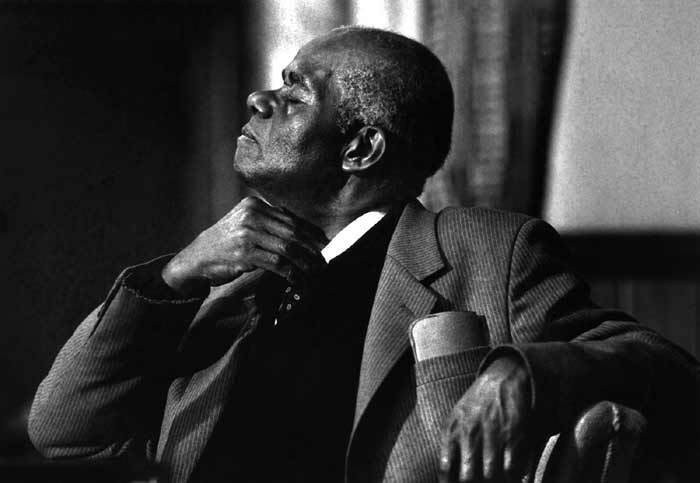
Dr. John Henrik Clarke
Dr. John Henrik Clarke
Dr. John Henrik Clarke (1915 – 1998) – Historian, Educator, and Pan-Africanist Visionary
Life and Career
Dr. John Henrik Clarke was an African American historian, professor, and staunch Pan-Africanist whose groundbreaking scholarship reshaped the study of African and African American history. As one of the foremost intellectuals of the 20th century, he dedicated his life to reclaiming and teaching African history from an Afrocentric perspective, challenging the Eurocentric narratives that dominated academia. His work laid the foundation for Africana studies and inspired generations of scholars, activists, and educators to center African contributions in world history.
Born on January 1, 1915, in Union Springs, Alabama, Clarke grew up in a sharecropping family during the era of Jim Crow segregation. The systemic racism he witnessed fueled his passion for uncovering the suppressed truths of African history. During the Great Migration, he moved to Harlem, New York, where he immersed himself in the vibrant intellectual and cultural movement of the Harlem Renaissance. It was here that he connected with Black scholars, artists, and activists who shaped his lifelong commitment to Pan-Africanism and historical reclamation.
Though largely self-taught in his early years, Clarke voraciously studied in libraries and participated in study groups, developing a deep understanding of African history before pursuing formal education. He later attended New York University and Columbia University, though he remained critical of the Eurocentric biases embedded in traditional academia. His independent scholarship and relentless pursuit of knowledge positioned him as a leading authority on African civilizations and the African diaspora.
Clarke’s academic career was marked by his influential tenure at Hunter College and Cornell University, where he played a pivotal role in establishing African American and Africana studies programs. A prolific writer and editor, he contributed to numerous publications, including the Journal of African Civilizations, which he founded to promote African-centered scholarship. His lectures and writings reached global audiences, making him a revered figure in the Pan-African movement.
Dr. Clarke passed away on July 16, 1998, in New York City, leaving behind an enduring legacy as a “master teacher” who empowered Black people to reclaim their history and identity. His scholarship continues to inspire movements for educational liberation, reparations, and global African unity. Through his books, speeches, and mentorship, Clarke ensured that future generations would have the tools to dismantle colonial lies and rebuild a proud, sovereign African consciousness.